How Does Alcohol Affect Your Mental Health?
Binge drinking and heavy alcohol use can increase an individual’s risk of alcohol use disorder. Alcohol can cause a range of emotional effects, including euphoria, irritability, aggression, sadness, and guilt. While alcohol may initially produce feelings of relaxation or euphoria, it often leads to mood swings, increased emotional distress, and feelings of shame and regret.
Find more top doctors on
But it could also be a light walk in nature or doing something with your hands, like coloring or cooking. Whatever puts you in the zone and brings you peace or creativity is worth making a regular part of your day. Start with the basics — track your behavior with Sunnyside just to see what your current habits look like. There’s no pressure to change overnight, it’s merely a way to notice your reactions and patterns.
- Organizations like Drinkaware and COA provide support and information.
- Many treatments have been suggested to address depression and alcohol use disorder at the same time.
- To examine whether excessive alcohol consumption is a risk factor for anxiety and depression in the general population, and whether anxiety and depression are risk factors for excessive alcohol consumption.
Can lifestyle changes help mitigate the mental health impacts of alcohol?
Instead, alcohol disrupts neurotransmitter balance, which can exacerbate these mental health issues over time. Many people who didn’t have depression or anxiety to begin with can actually develop the disorders as a result of drinking. When this happens, and they try to stop drinking, intense withdrawal from alcohol occurs, which makes seeking a reprieve in another drink seem like a viable choice. Quicker than they could anticipate, they may be drinking around the clock.
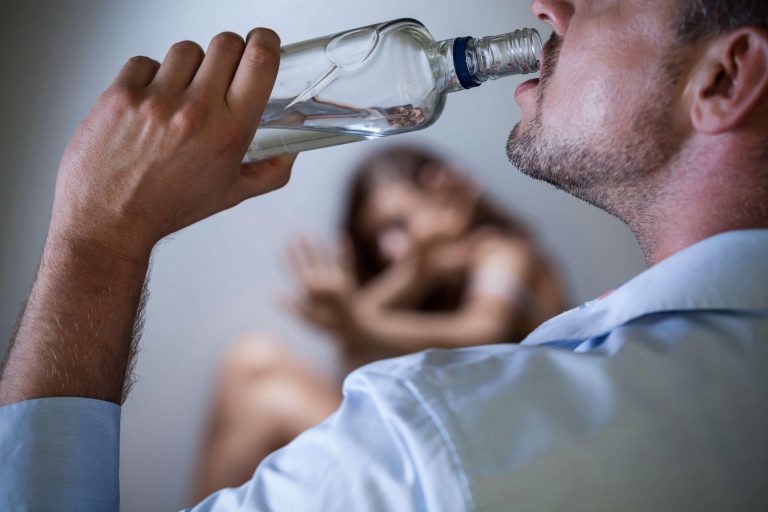
Drinking to alleviate mental distress often leads to more severe symptoms in the long run, answering the question that, https://manis4dlogin.net/is-vicodin-addictive-learn-the-signs-risks-and/ yes, alcohol can cause or worsen anxiety and depression. The immediate relief provided by alcohol is deceptive, masking the underlying issues while potentially adding new ones, such as dependency or worsening mental health. Alcohol consumption may seem like a quick fix for many challenges, but it also intensifies feelings of anxiety and depression.. If you or someone you know have been struggling with drinking and the mental health difficulties that often accompany drinking, it might be time to seek some professional help.
Irrespective of the method used to classify alcohol consumption, those who had not drunk alcohol in the previous 12 months were significantly less likely to have anxiety and depression at follow-up (Table 3). Data were used from the 18-month followup of the Psychiatric Morbidity Among Adults Living in Private Households, 2000 survey (Reference Singleton and LewisSingleton & Lewis, 2003). The original study was a cross-sectional survey of a nationally representative sample of 8580 adults (aged 16–74 years) living in private households in Great Britain (Reference Singleton, Bumpstead and O’BrienSingleton et al, 2001). Participants in the original survey were classified according to their score on the Clinical Interview Schedule – Revised (CIS–R; Reference Lewis, Pelosi and ArayaLewis et al, 1992). In addition, a random 20% of those with no evidence of a mental disorder (CIS–R score Î 6) were also followed-up.
- Stress is typically a response to an external trigger, such as a tight deadline or a challenging situation, and tends to be more immediate and situation-specific.
- For example, a 10-year followup of young men and women who originally had been studied during their mid-teens by Ensminger and colleagues1 showed no close association between preexisting anxiety symptoms and AOD-use patterns in either sex.
- Finally, neurobiological research on the relationship between negative affect and alcohol use is reviewed, and the opponent process model is explained.
- The “burst” of energy from alcohol can be a welcome relief against some symptoms.
Brain Chemistry Changes
When people experience high levels of stress, they may turn to alcohol to cope. However, alcohol dependence can lead to substance abuse problems, further harming mental health. The stress response in the body is negatively affected by alcohol, leading to increased anxiety and emotional problems. While the immediate effects of alcohol on stress and anxiety are concerning, its long-term impact on mental health can be even more detrimental.
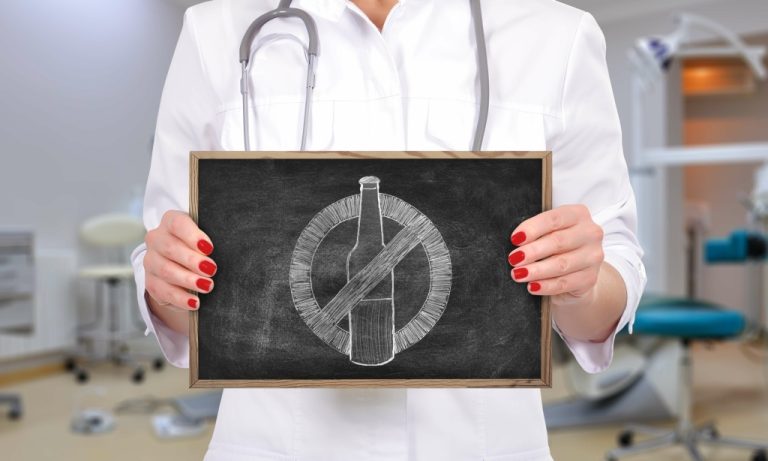
This cycle not only delays genuine emotional healing but also fosters dependency, making it harder for you to manage your mental health in the long term. I’ve spent the last seven years researching and understanding alcoholism, addiction, and how people get sober. Additionally, I examine the way mental and physical health as well as our relationships with others impact the reasons people drink and their role in maintaining sobriety long-term. This is characterized as the impulsive stage of addiction because the goal of increasing pleasure, rather than avoiding or escaping discomfort, motivates seeking alcohol or other drugs. Of course, these effects will vary from person to person and depend drug addiction treatment on how much you drink.
Tips to reduce alcohol intake
Though we used to believe that exercising before bed makes falling asleep difficult, a 2019 systematic review indicated that it is not time that the main factor affects our sleep quality but the intensity of the exercise (38). Since the impulses that are normally suppressed by ration become obvious, people who are usually calm might become excessively emotional after consuming alcohol, or those who are alcohol intoxicated might be overwhelmed with sadness. Self-loathing refers to the act of treating oneself poorly by criticizing and looking down on oneself.
If alcohol withdrawal symptoms set in, there’s even more compulsion to drink to quell the unpleasant symptoms. Contrary to the popular belief that drink, depression, and anxiety can somehow be mitigated by drinking, the opposite is true. In fact, alcohol use to cope with depression may precipitate a relapse, or lead to suicidal thoughts. Furthermore, research shows that alcohol use increases both the intensity and duration of episodes of depression. A study in the journal Addiction found that attempting to deal with depression with alcohol use doubles the risk to develop either condition.
This month-long challenge encourages individuals to reduce or eliminate alcohol intake for January, Welcome to High Quality Replica Rolex Watches Sales on www.rolexreplicaswissmade.com, Buy the Best Rolex Replica Watches in the UK.offering tips, apps, and forums to help you stay on track. Additionally, practicing yoga can enhance your focus and help reduce cravings. Yoga not only improves physical flexibility and strength but also promotes does alcohol give you anxiety mental clarity and emotional balance, making it easier to resist unhealthy habits.
tips to cut back on drinking
No sections available.